Spanish
  Chinese
  Russian
  German
  French
  Japanese
  Portuguese
  Hindi
Hindi 
 +44 33 0822 4832
About the Journal of Athletic Enhancement
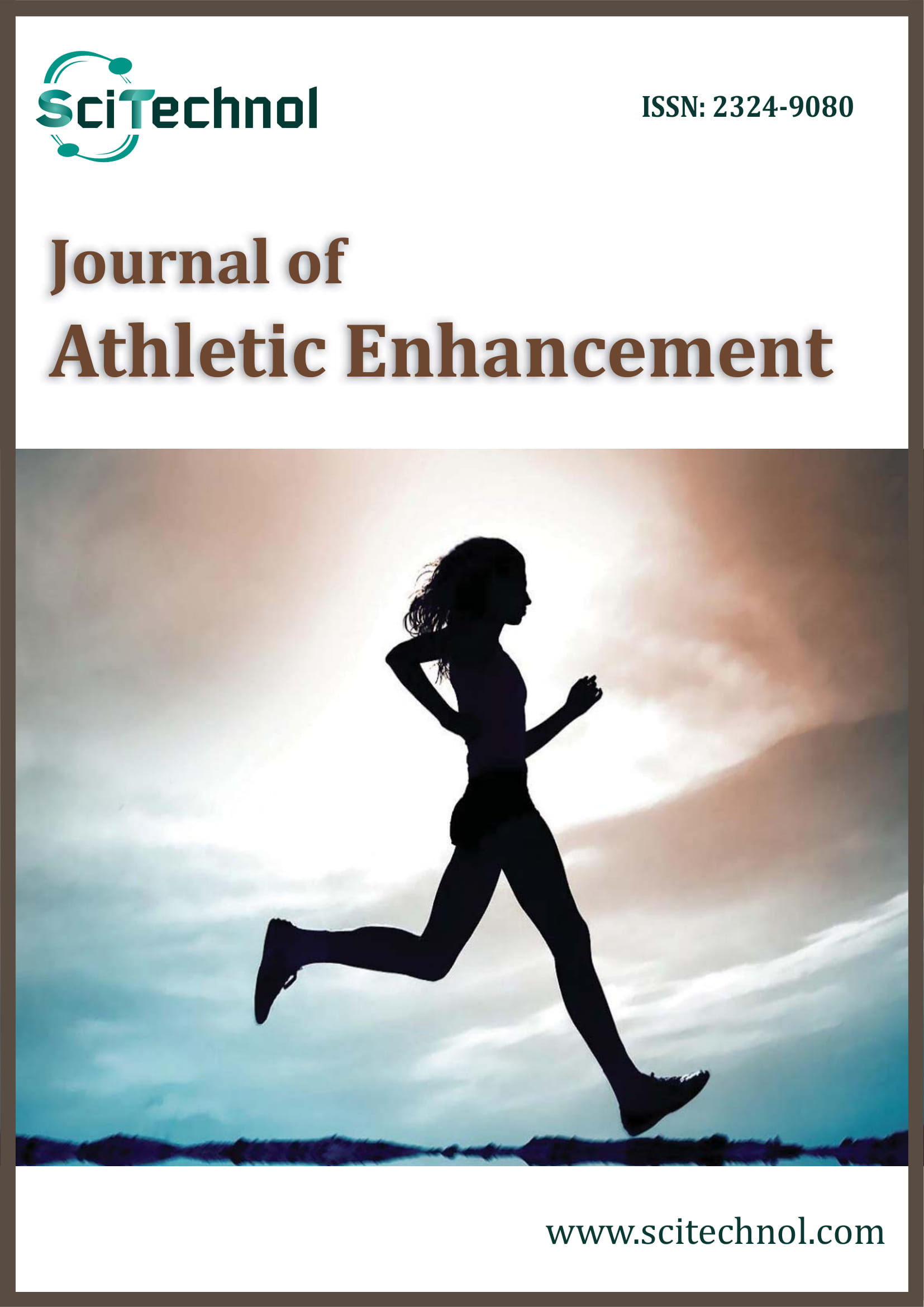
Journal of Athletic Enhancement (JAE) (ISSN: 2324-9080) is a scientific, peer-reviewed, academic journal promotes rigorous research that makes a significant contribution in advancing knowledge and provides important platform for the researcher and scholars to exchange their knowledge on current advancement in performance enhancement, sports medicine, athletic training, exercise sciences, sports psychology and physical health, sports injuries and rehabilitation, athletic physiology, biomechanics, sports nutrition, eating habits of athletes.
Athletics is simply an assemblage of various sporting events or physical events. Athletes depend on accuracy, precision and power giving them synchronized muscular contractions. Increasing strength and power production is a common goal for sports persons in competitions.
Journal of Athletic Enhancement primarily focuses on the topics:
- Sporting events
- Performance Enhancement
- Sports Medicine
- Athletic Training
- Exercise sciences
- Sports Psychology and Physical Health
- Sports Injuries and rehabilitation
- Athletic Physiology
- Biomechanics
- Sports Nutrition, Eating habits of athletes
Any other material of Athletics and Sports discipline and relevance will also be considered.
The Journal is using Editorial tracking System for quality in review process. Editorial Tracking is an online manuscript submission, review and tracking system. Review processing is performed by the editorial board members of Journal of Athletic Enhancement or outside experts; at least two independent reviewers approval followed by editor approval is required for acceptance of any citable manuscript. Authors may submit manuscripts and track their progress through the system, hopefully to publication. Reviewers can download manuscripts and submit their opinions to the editor. Editors can manage the whole submission/review/revise/publish process.
Peer-Review:
Journal of Athletic Enhancement follow single-blind peer review system that includes reviewers are aware of the identity of the authors, but authors are unaware of the identity of reviewers. There are minimum four reviewers for each article in each issue.
Every submitted manuscript processed for preliminary quality check control check by editorial office followed by external peer review process. Usually preliminary quality control completes within 7 days and is majorly with reference to journal formatting, English standards and journal scope.
Submit manuscript at Online Submission System or send as an e-mail attachment to the Editorial Office at submissions@scitechnol.com
engjournals managjournal engjournals alliedres alliedjournals alliedresearch alliedsciences pulsusjournal peerreviewjournal alliedjournal peerreviewjournal ebusinessjournals biochemjournal scientificres biochemistryjournals scientificres echemistry sciencesinsight scholarresearch echemcentral journalinsights chemistryres imedresearch biochemresearch imedpubjournals scitecjournals longdomjournals imedpubjournal scitechjournal jopenaccess nursingres clinicalmedicaljournal journalinsight nursingres escientificjournals healthcareinsights clinicalmedicaljournal peerreviewedjournal esciencejournal enursingcare nutritionres ehealthjournals peerjournals gastroinsights pediatricsjournals peerjournals oncologyinsights surgeryjournals surgeryinsights pharmajournals peerjournal medicineinsights pharmares peerreviewedjournals medicinaljournals journalsres edentalcentral emedsci dentistryjournals journalsres journalsoa emedicalcentral journalsoa clinicalmedicaljournals medicalres journalsci medicalresjournals imedpublishing journalres emedscience eclinjournals eclinicalsci eclinicaljournals journalres eclinicalinsight scholarcentral journaloa emedicinejournals clinicalres emedicalscience emedicalsci journalpublications neurologyinsights scholarlypub eclinicalsci eclinicalcentral environmentjournals pulsusjournal emedicinejournals escienceopen esciencejournals escientificreviews openaccesspublications jpeerreview escientificres scholarlyjournals eclinicaljournals scholarsresjournal environjournal jpeerres managjournal emedicalhub biomedresj scholarlymed eclinicalres theresearchpub lexisjournal eclinmed medicalsci clinicalinsight tradescience epharmajournal ehealthjournals neurologyinsight emedicalsci molbioljournal enginsights dentistryinsights jscitech peerreviewedjournals oajournal jpeerreview oajournalres scholarres pathologyinsights biochemjournals
Sports
Sports is all forms of usually competitive physical activity which through casual or organized participation, aim to use, maintain or improve physical ability and skills. Sports and games are the ways of enhancing the mental and physical growth.
Physical Fitness
Physical fitness is a general state of health and well-being and more specifically, the ability to perform aspects of sports occupations.Health and physical fitness of an Athlete is very important for achieving success in competitive sports.
Sports Medicine
Sports Medicine is a branch of medicine which deals with physical fitness and the treatment and the prevention of injuries related to sports and exercise for health, drugs in sport and recommendations for training and nutrition.
Athletic Training
Athletic training is practiced by athletic trainers, health care professionals. Athletic training encompasses the prevention, diagnosis, and intervention of emergency, acute and chronic medical conditions involving impairment, functional limitations and disabilities.
Athletic Physiology
Athletic Physiology is a branch of the biological sciences and is concerned with the way in which the body responds to exercise and training.
Sports Biomechanics
Sports Biomechanics is a quantitative based study and analysis of professional athletes and sports' activities in general. It can simply be described as the Physics of Sports.
Motor Control & Behavior
Motor Control and Behavior involves advanced study of the psychological and neurophysiological foundations of motor control, motor learning, motor development, and disorders of movement.
Sports Psychology
Sports Psychology involves the scientific study of the psychological factors that are associated with participation and performance in sport, exercise and other types of physical activity.
Sports Nutrition
Sports Nutrition is the study and practice of nutrition and diet as it relates to athletic performance. Sport Nutrition is concerned with the type and quantity of fluid and food taken by an athlete.
Eating Habits of Athletes
A healthy diet should be at the heart of a competitive athlete’s training and conditioning regime. Becoming an elite athlete requires good genes, good training and conditioning and a sensible diet. Optimal nutrition is essential for peak performance.Sports nutrition enables to learn about fundamental concepts of nutrition to improve athletic performance.
Physical Education
Physical Education provides skill development, regular healthful physical activity, self-discipline and stress reduction.
Sports Injuries
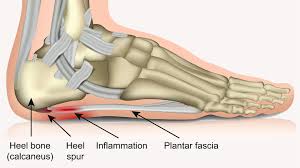
Athletes may get injured in various athletic activities performed. Sports injuries are commonly caused by overuse, direct impact, or the application of force that is greater than the body part can structurally withstand.
Sports Concussion & Orthopedics
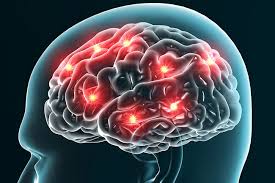
Concussions are mild traumatic brain injuries. Sports related concussion is common injury that likely goes under athletics. Orthopedics is the branch of concerned with the conditions involving the musculoskeletal system.
Injury Management
Injury management involves identifying an injury, treating it and then returning to the sport. Sports injuries are usually soft tissue injuries. It’s important that sports players are adequately rehabilitated before returning to sport. It is intended to facilitate recovery in order to achieve the best results for a safe and durable return.
Sports Performance Enhancement
Performance enhancement is referred to as an ergogenic aid in sports to enhance the performance of athletes. Sports Performance Enhancement helps individuals learn to control their thoughts, eliminate negative self-talk, substitute positive self-talk and increase the athlete’s focus and concentration, which is needed for a higher quality of sports performance.
Physiotherapy
Physiotherapy is a Rehabilitation profession that remediates impairments and promotes mobility, function, and quality of life through examination, diagnosis, prognosis, and physical intervention.
Strength & Conditioning
Strength and conditioning promotes fitness and physical performance of athletes to improve performance and also injury prevention within sports performance.
Performance Enhancement Drugs
A performance-enhancing drug is any substance taken by athletes to improve performance. In sports, the phrase performance-enhancing drugs are popularly used in reference to anabolic steroids or their precursors.
Sports Doping & Sport Ethics
In competitive sports, doping refers to the use of banned athletic performance-enhancing drugs by athletic competitors. Sport ethics is also the branch of the philosophy of sport addressing the specific ethical questions that arise during and around sport competitions.
Exercise Science
Exercise science majors study the science of the human movement. They also learn how to help people live healthier lives through exercise, rehabilitation, and nutrition.
Impact Factor
2016 Journal Impact Factor is the ratio of the number of citations achieved in the year 2016 based on Google Search and Google Scholar Citations to the total number of articles published in the last two years i.e. in 2014 and 2015. Impact factor measures the quality of the Journal.
If ‘X’ is the total number of articles published in 2014 and 2015, and ‘Y’ is the number of times these articles were cited in indexed journals during 2016 then, impact factor = Y/X.